Cimem
An Ancient Anatolian Handicraft Born from Wheat Stalk
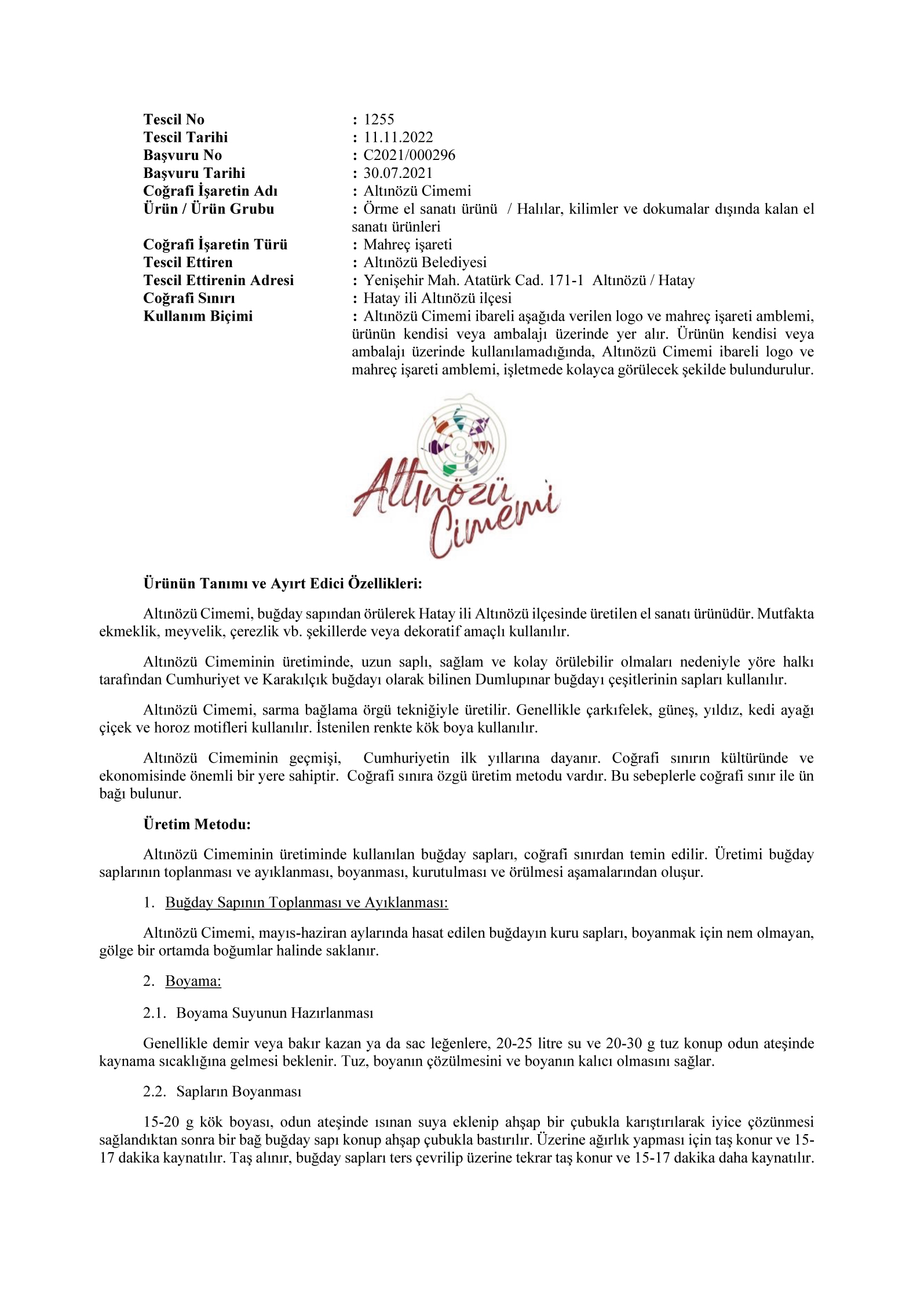
Cimem is a traditional weaving technique practiced in Anatolia for centuries. It emerged from repurposing the stalks left behind after the wheat harvest. Shaped by the necessities of rural life, this mode of production is a craft that exists in harmony with nature, is sustainable, and entirely handmade. Through both its material and its method of production, Cimem establishes a profound connection between agricultural culture, women’s labor, and everyday life.
Historical Background
The origins of Cimem weaving developed in parallel with the widespread cultivation of wheat in Anatolia. In times when wheat was used not only as food but also—through its stalk and straw—in every dimension of life, Cimem became a way of transforming what was considered “waste” material into functional and durable objects.
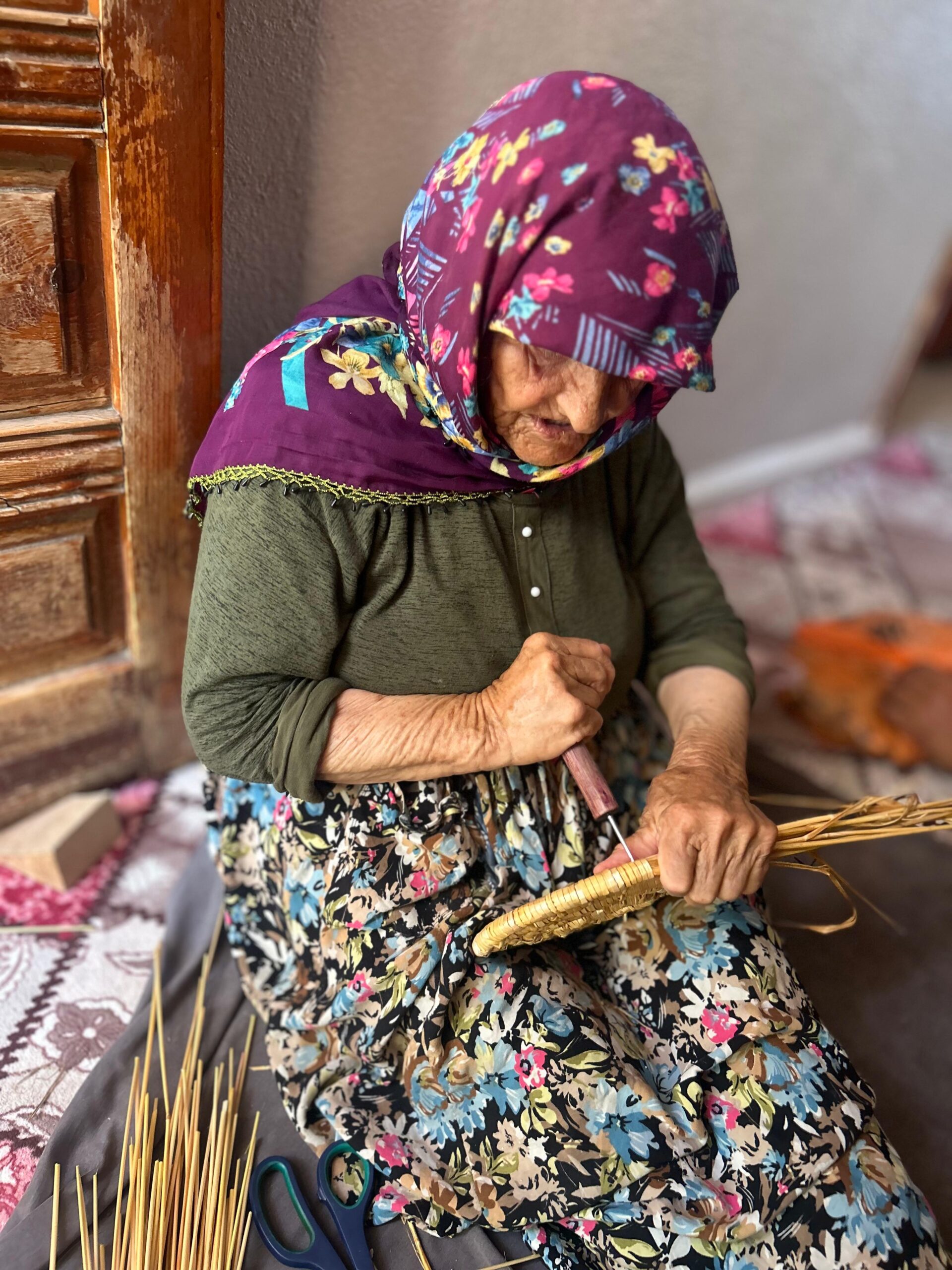
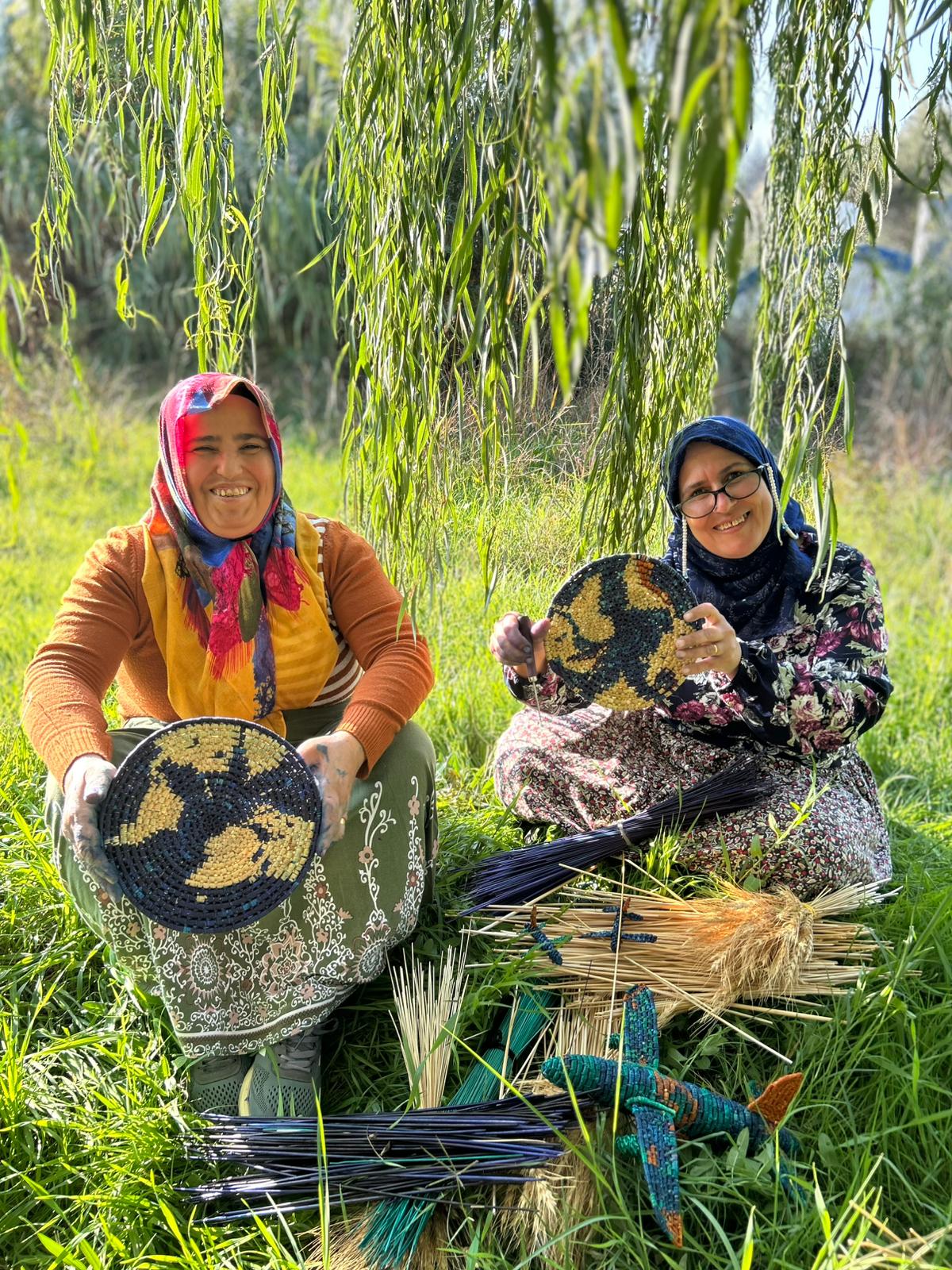
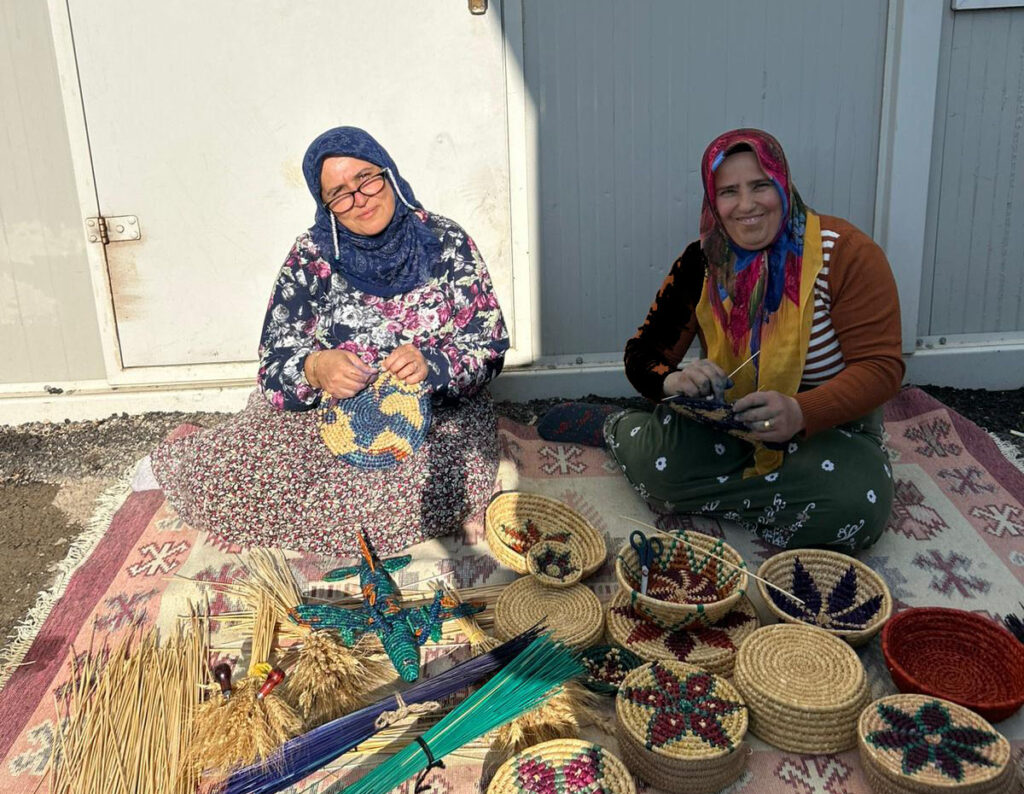
Particularly widespread in Central Anatolia, the Mediterranean, and Southeastern Anatolia regions, the Cimem technique has been used to produce baskets, floor dining mats, storage containers, coverings, animal equipment, and everyday household items. This production was carried out largely by women, and the knowledge was transmitted from generation to generation not through written sources, but through master–apprentice relationships and lived daily practice.
Özellikle İç Anadolu, Akdeniz ve Güneydoğu Anadolu bölgelerinde yaygın olarak uygulanan cimem tekniği; sepet, yer sofrası altlığı, saklama kabı, örtü, hayvan ekipmanları ve ev içi gündelik eşyaların üretiminde kullanılmıştır. Bu üretim büyük ölçüde kadınlar tarafından gerçekleştirilmiş; bilgi, yazılı kaynaklardan çok usta–çırak ilişkisi ve gündelik pratikler yoluyla kuşaktan kuşağa aktarılmıştır.∂
Material Used: Wheat Stalk
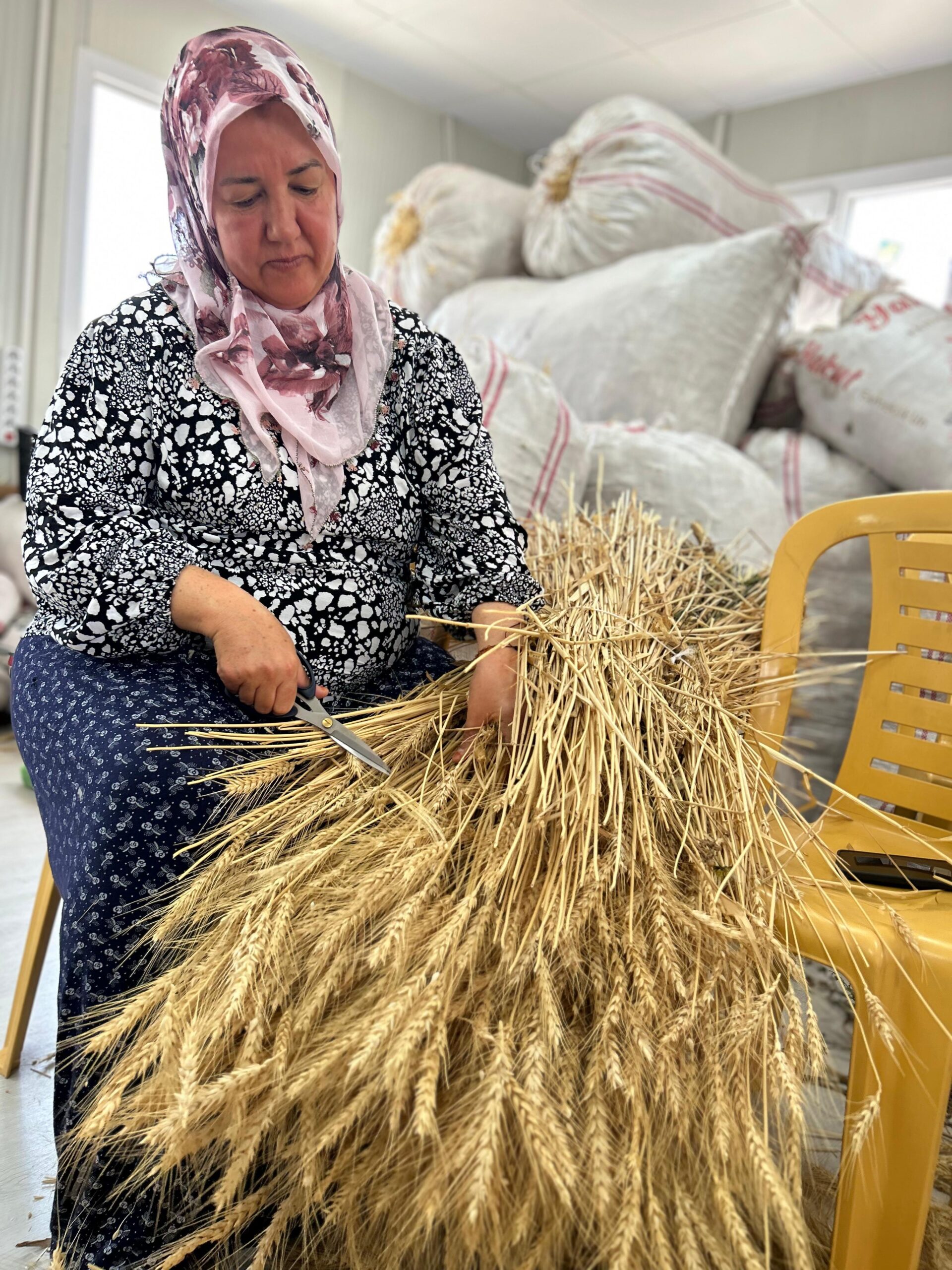
The primary raw material of Cimem weaving is wheat stalk.
The stalks selected after harvest:
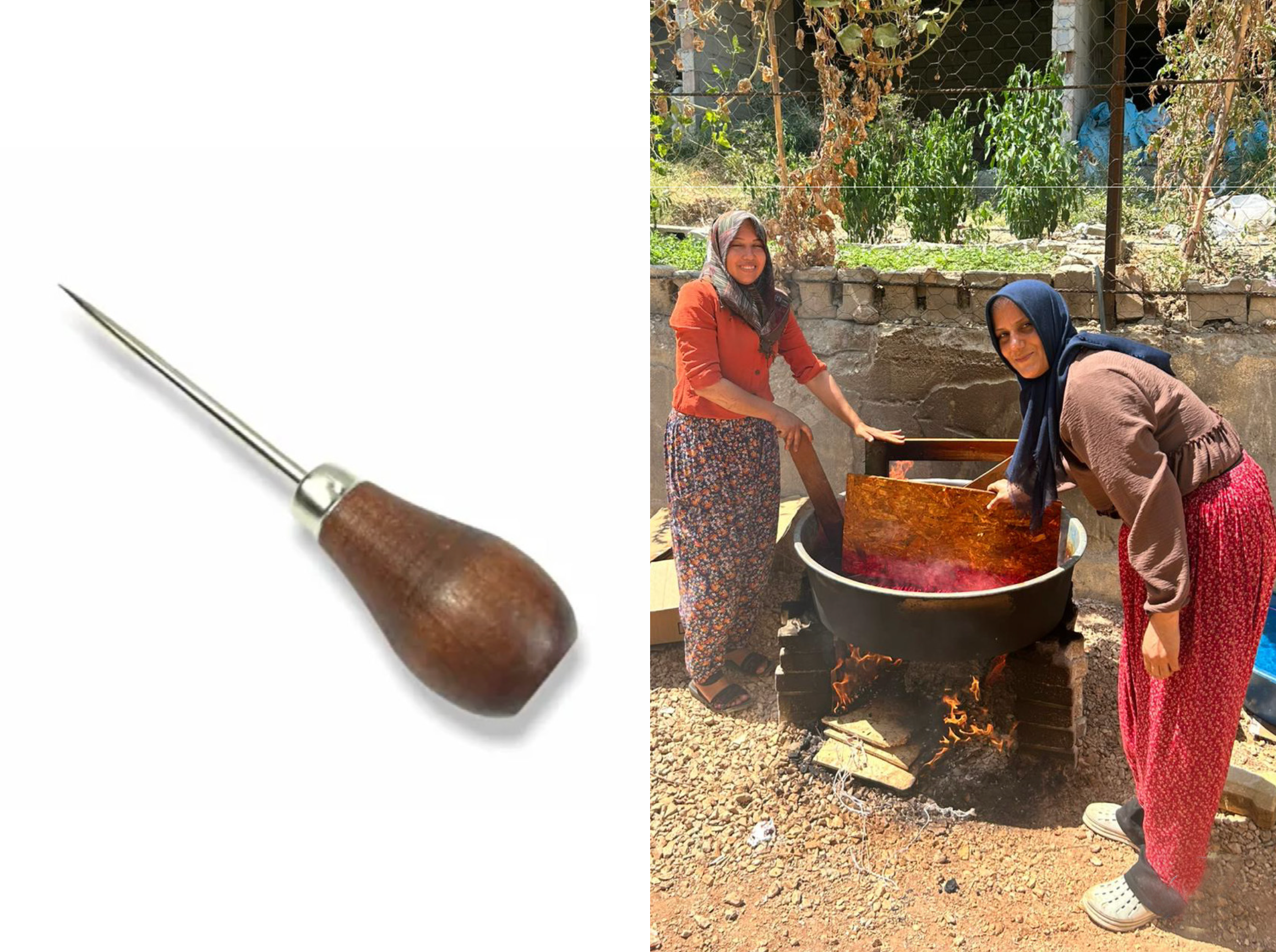
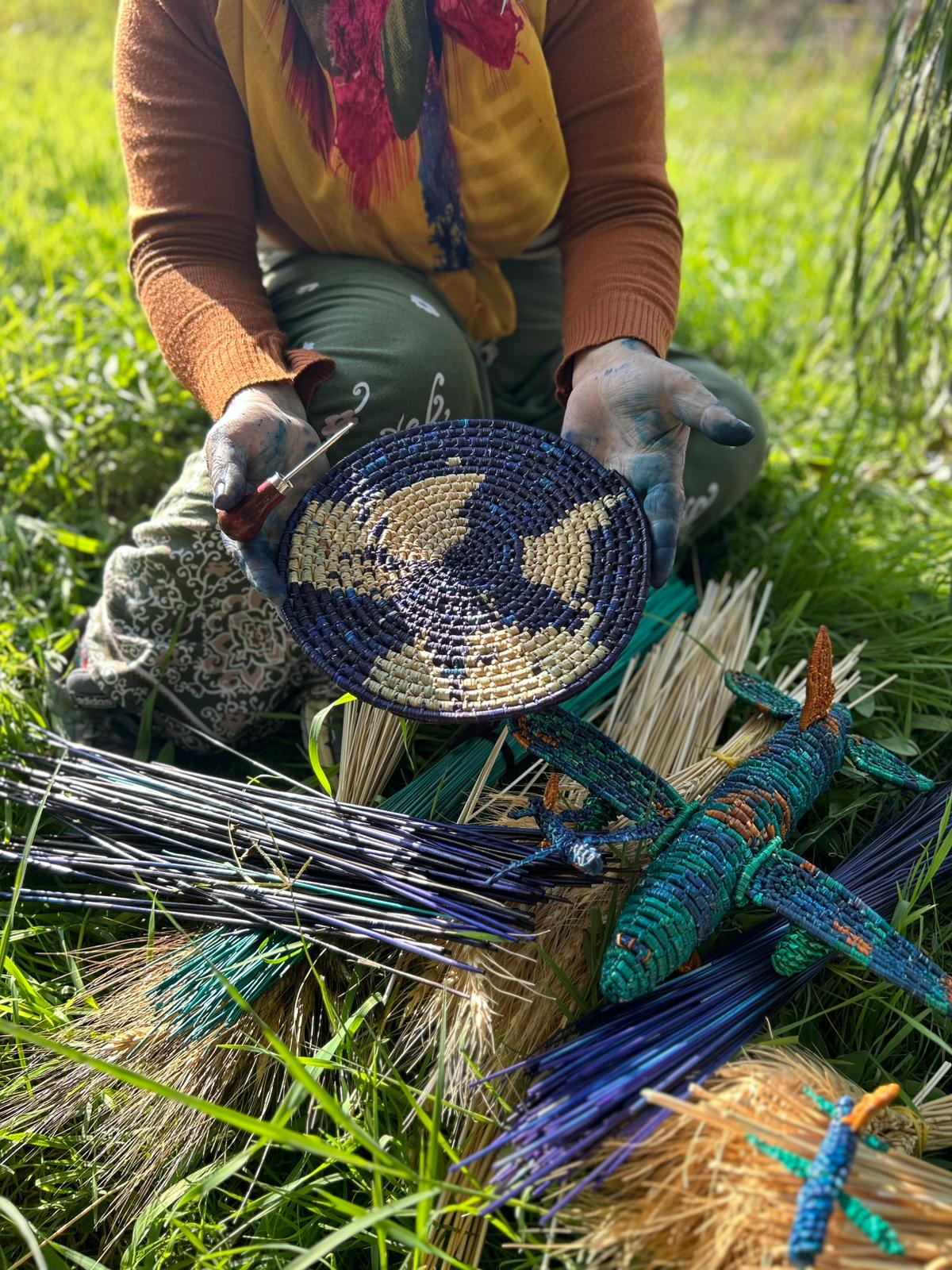
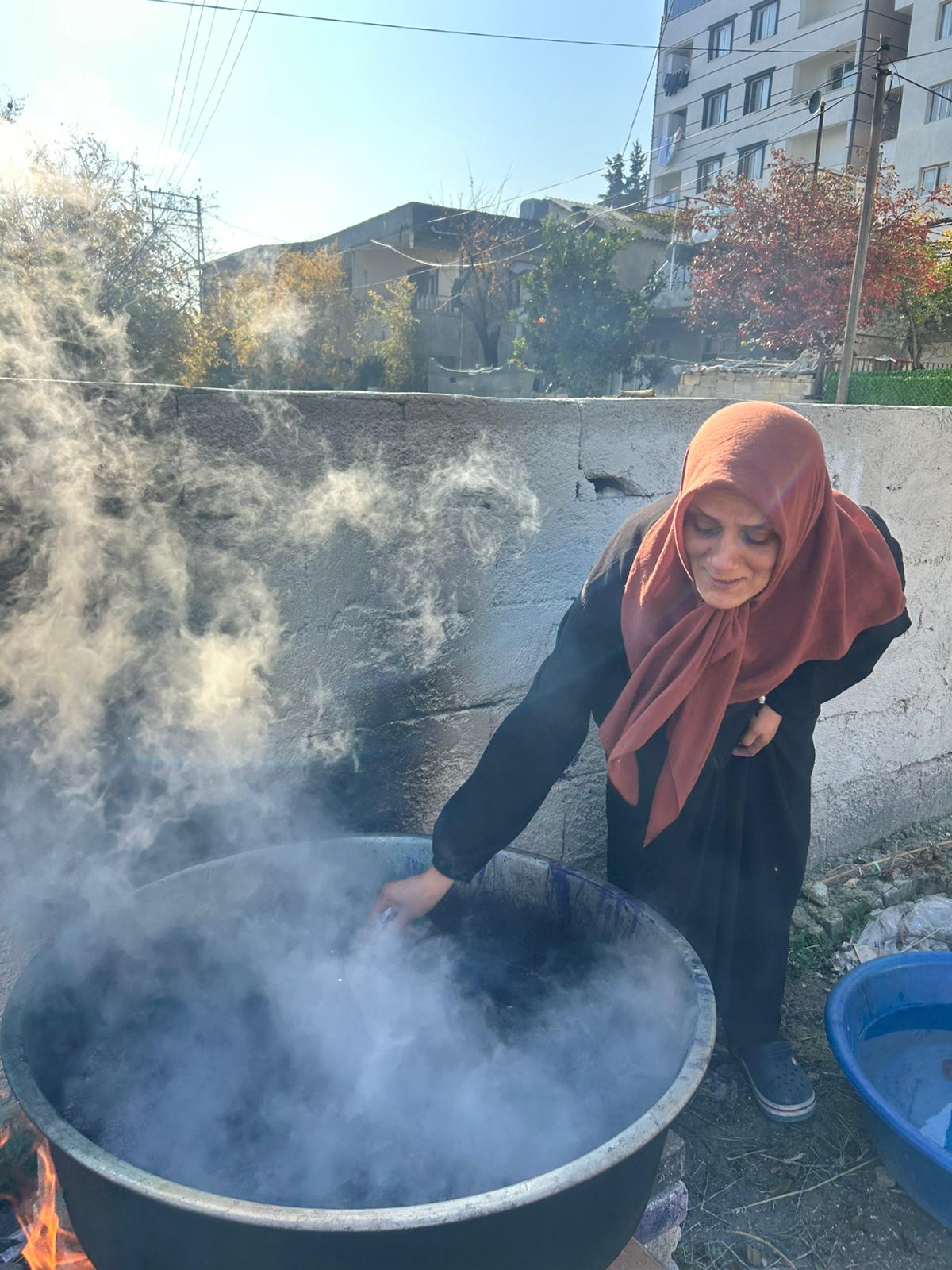
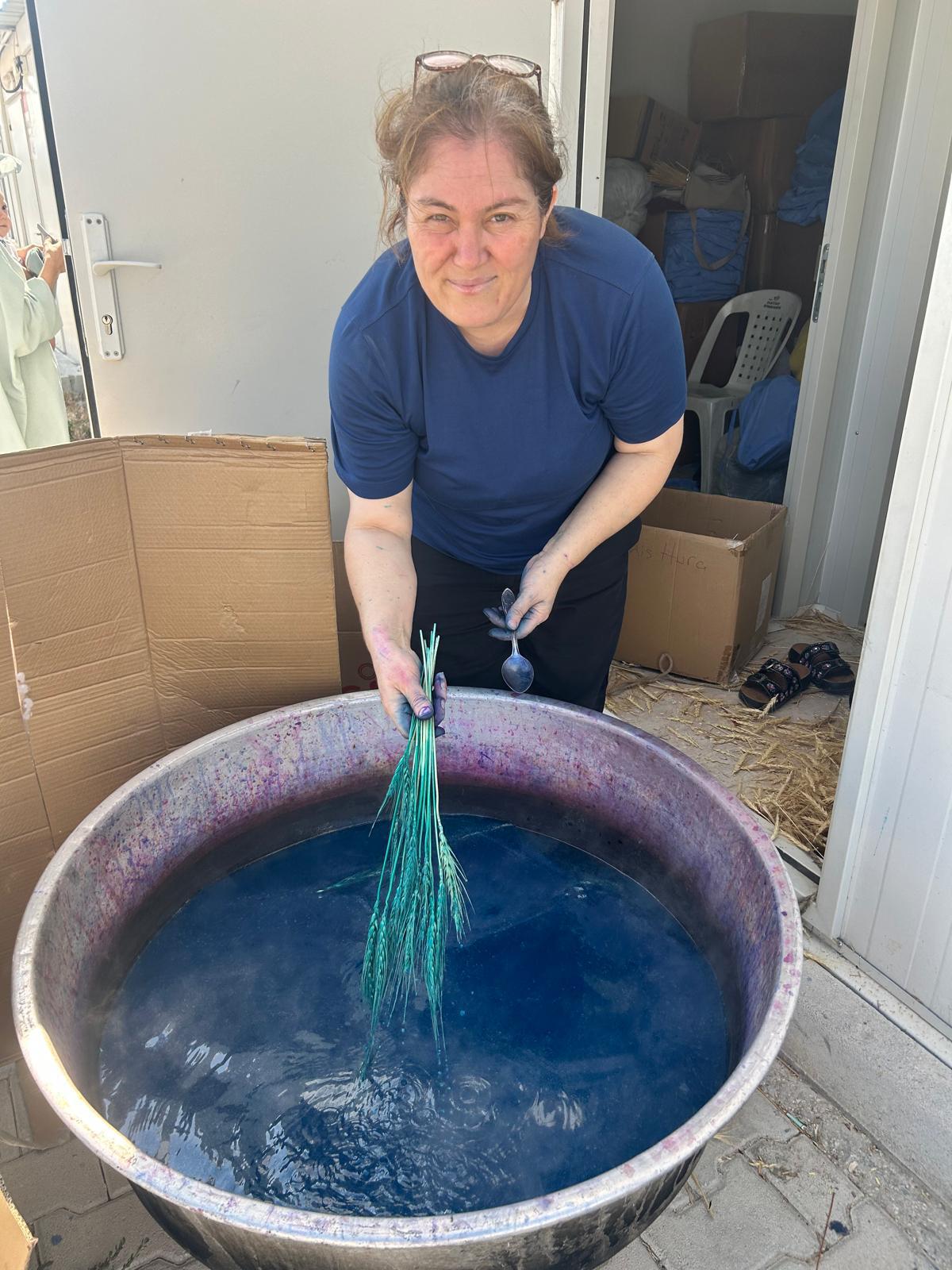
- are dried either in their raw state or after being dyed with natural root-based pigments,
- are moistened to regain flexibility,
- are sorted according to thickness and durability.
Wheat stalk is naturally lightweight, flexible, and resilient. When properly prepared, it becomes suitable for long-term use. Its use in a completely natural form, without chemical processing, makes Cimem an environmentally responsible and sustainable production method.
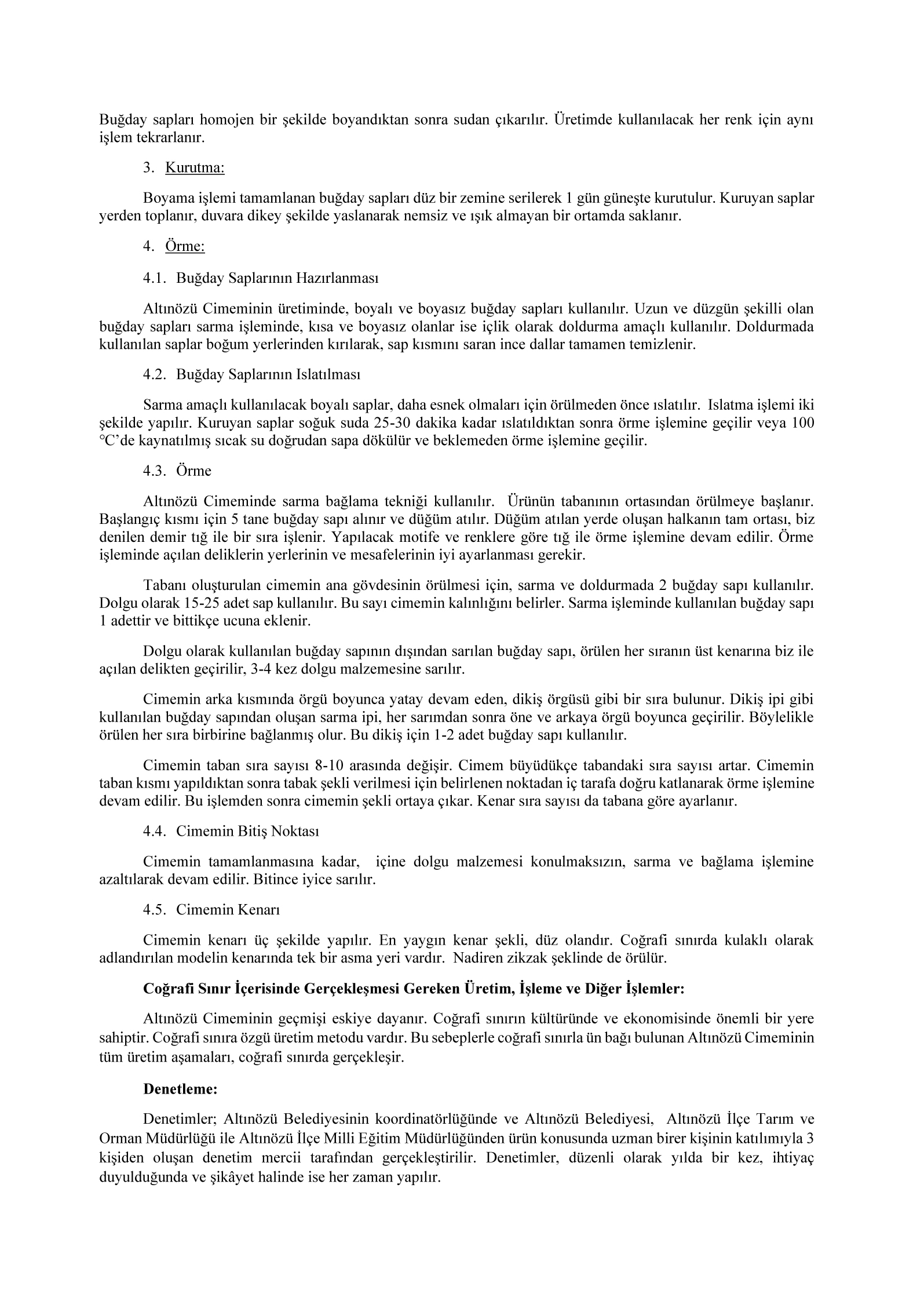
Cimem weaving relies on twisting, wrapping, and fastening principles. The stalks are assembled in a structured order and woven by securing them with natural fibers or fine threads.
The key features of the technique include:
- The ability to be produced without tools or with only very simple tools.
- Its portability.
- The high level of craftsmanship and attention required during production.
- The uniqueness of each product due to its handmade nature.
Although Cimem products may initially appear fragile, when produced with the proper technique they are surprisingly strong. This durability is one of the fundamental reasons the technique has remained present in everyday life for centuries.
Cultural and Social Significance
The primary raw material of Cimem weaving is wheat stalk.
The stalks selected after harvest:
- are dried either in raw form or after being dyed with natural root-based pigments,
- are moistened to gain flexibility,
- are sorted according to thickness and durability.
Wheat stalk is naturally lightweight, flexible, and durable. When prepared correctly, it becomes suitable for long-term use. Used in its entirely natural state, without undergoing any chemical treatment, Cimem becomes an environmentally friendly and sustainable mode of production.
Cimem weaving is fundamentally based on the principles of twisting, wrapping, and securing. The stalks are brought together in a deliberate order and woven by fastening them with natural fibers or fine threads.
The distinctive characteristics of the technique are as follows:
- It can be practiced without tools or with only very simple implements.
- It is portable.
- It requires exceptional manual skill and attention during production.
- Each piece is inherently unique due to being handmade.
Cimem products, though they may appear delicate at first glance, are remarkably durable when crafted using the correct technique. This resilience is one of the primary reasons the technique has been favored in daily life for centuries.